This platform is a non-confidential internet-based platform. It is strictly prohibited to handle or transmit state secrets, work-related secrets, or sensitive information.

Introduction of LMMD

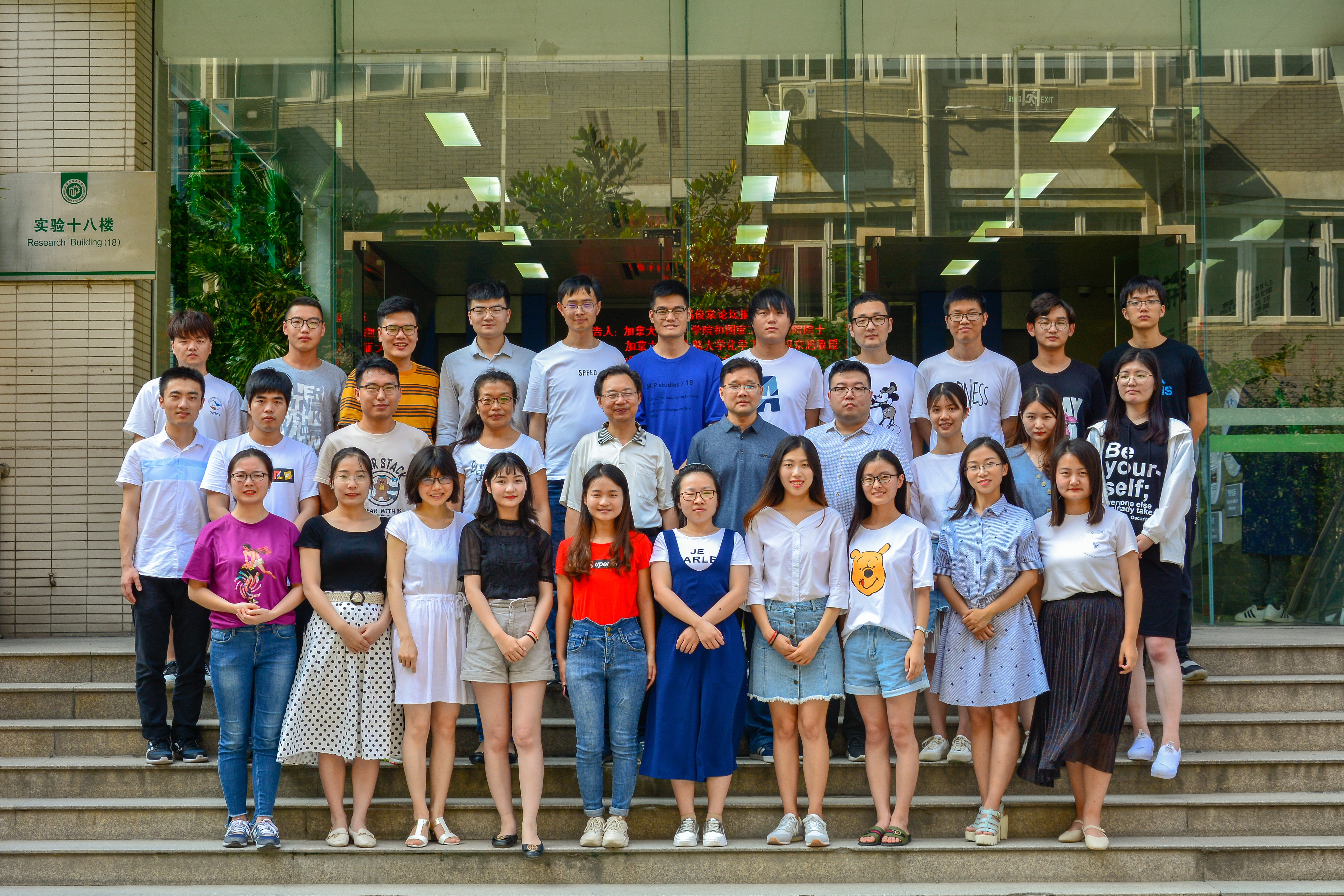
The Laboratory of Molecular Modeling and Design (LMMD, https://lmmd.ecust.edu.cn/) was established in September 2004. It is the first laboratory set up after the founding of the School of Pharmacy at East China University of Science and Technology, affiliated with the Shanghai Key Laboratory of New Drug Design. After more than twenty years of development, the laboratory has become a significant research and education base for computer-aided drug design both domestically and internationally.

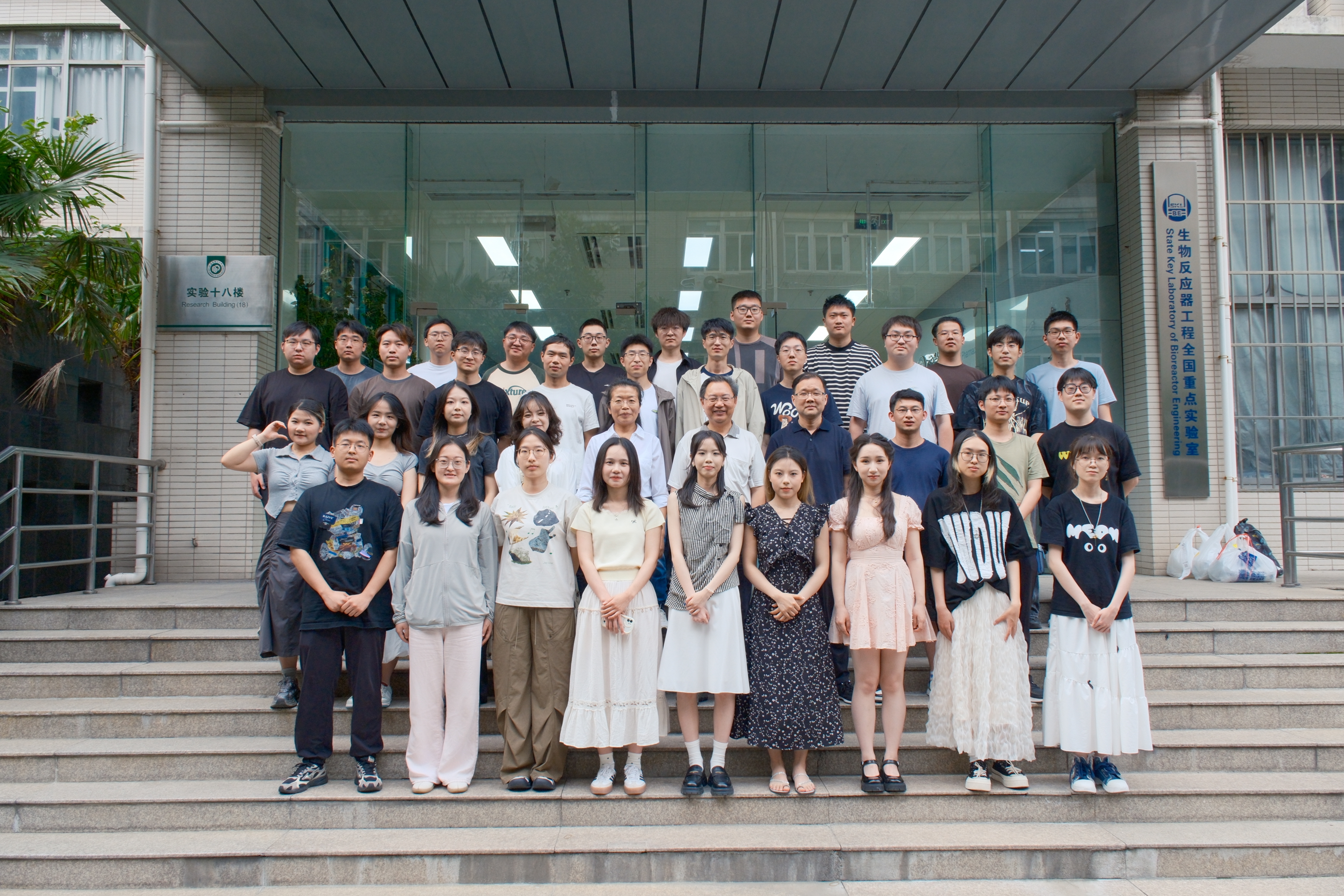
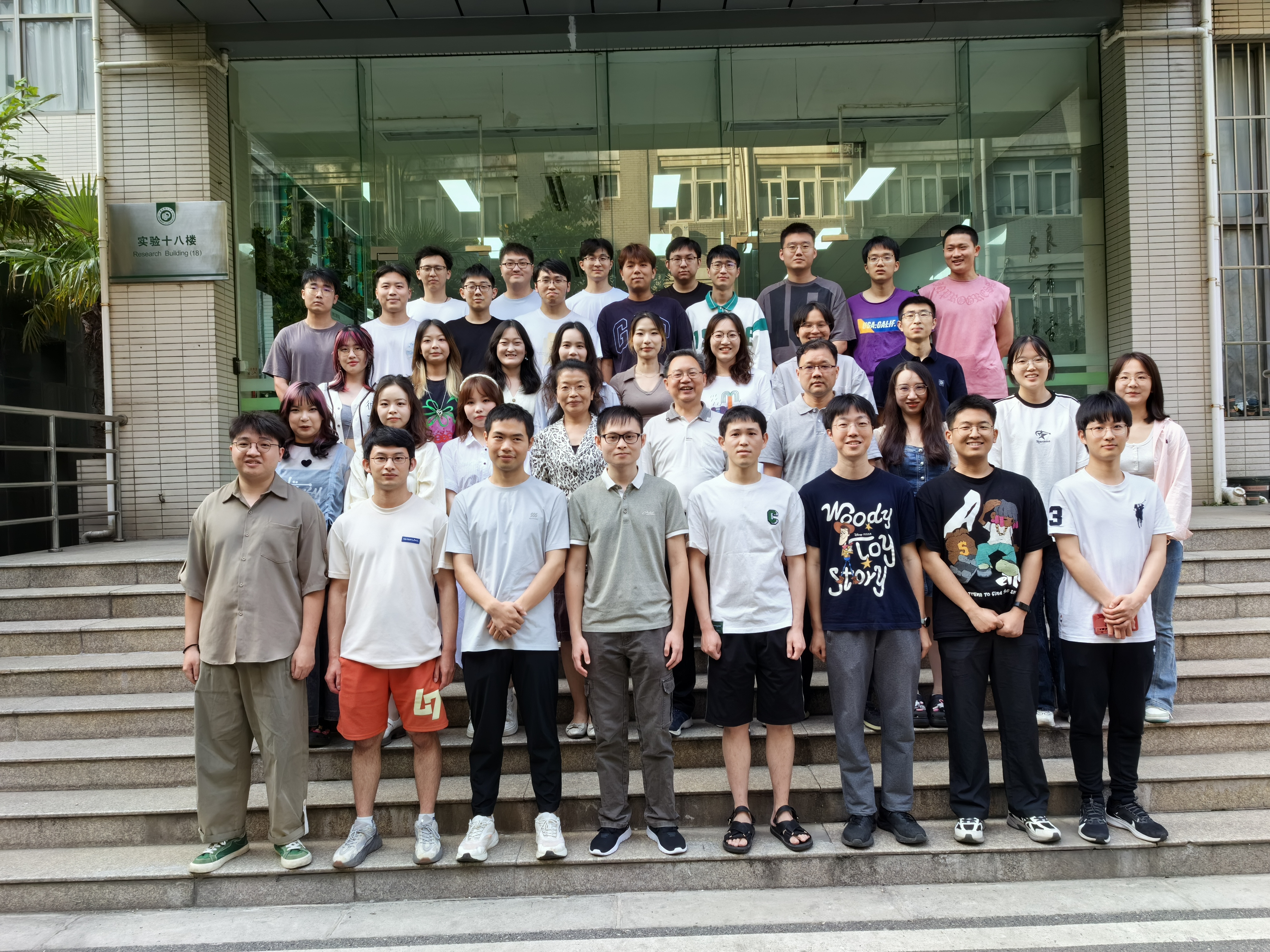
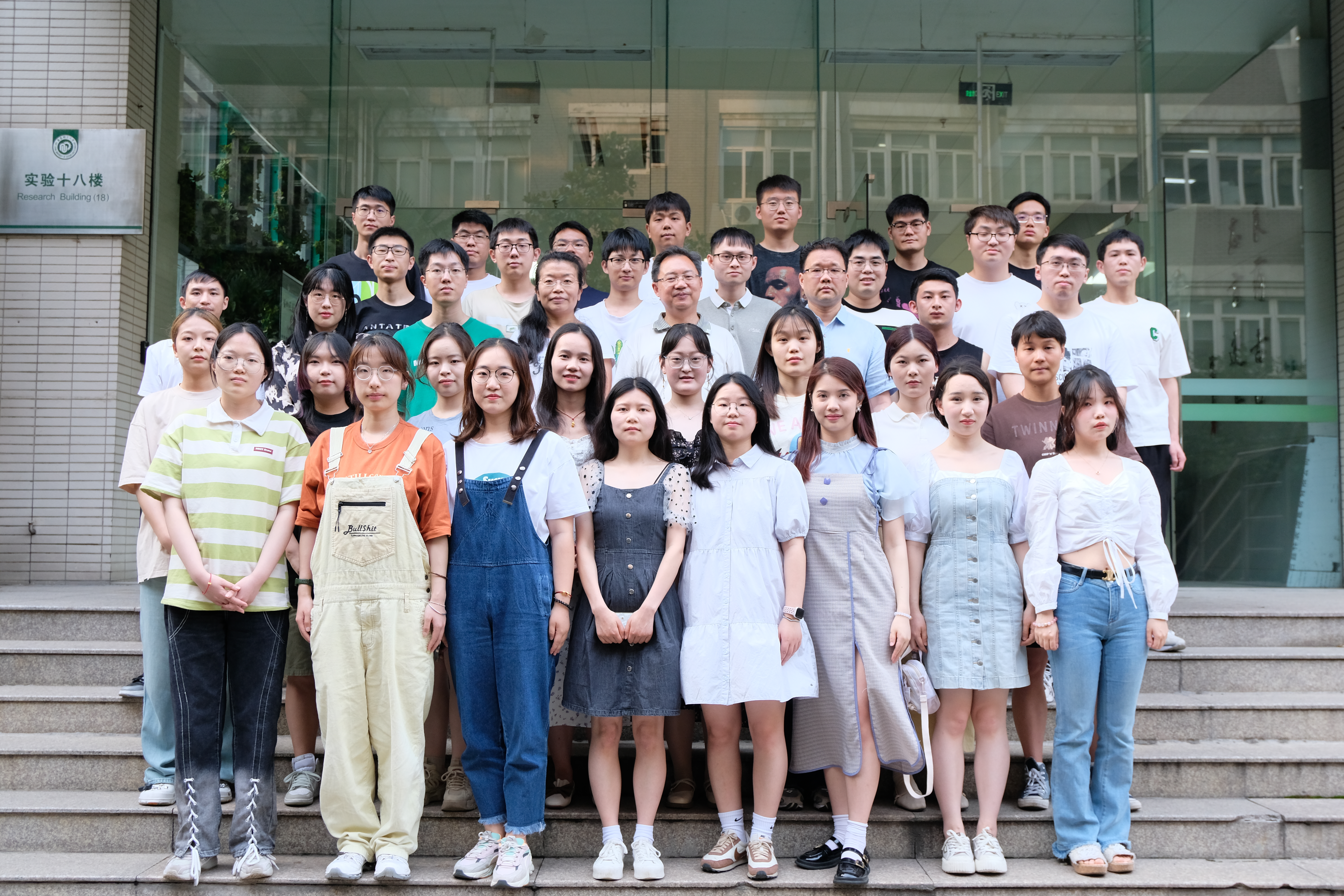
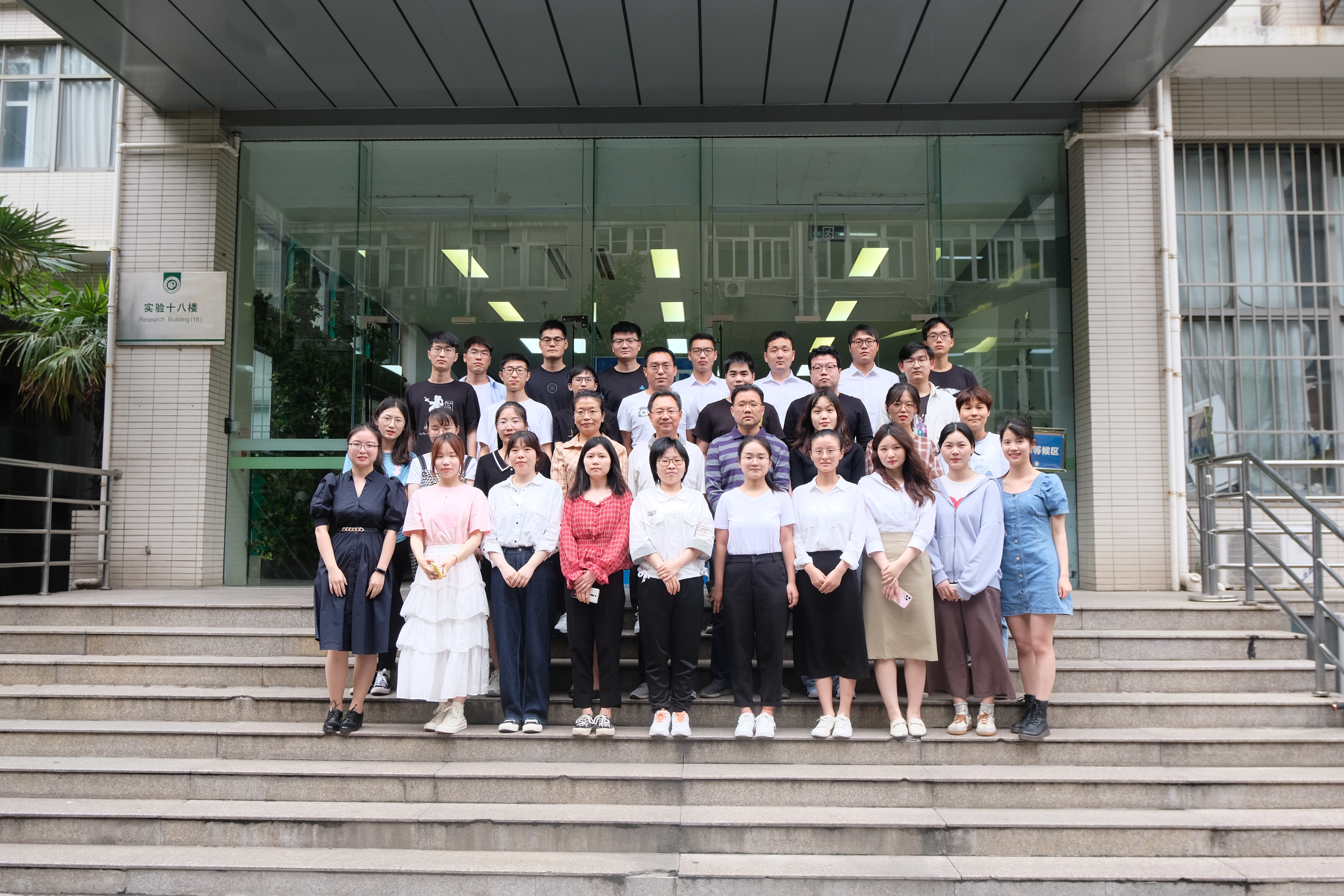
The laboratory is headed by Professor Yun Tang, and currently has 51 members, including 3 professors, 20 PhD students (including those in the master-doctorate track), and 28 master's students. The laboratory has trained graduates including: 5 postdoctoral fellows, 29 doctoral graduates, 76 master's graduates, and over 180 undergraduate graduates.

The main research directions of the laboratory currently include computer-aided drug design, artificial intelligence (AI)-accelerated new drug development, network pharmacology, computational toxicology, and computational biology. We primarily focus on developing new drug design methods based on AI technology, such as drug target prediction, molecular generation, virtual screening, and prediction of drug metabolism and pharmacokinetic properties (ADMET). The potential target prediction system NetInfer (https://lmmd.ecust.edu.cn/netinfer/) and the ADMET prediction & optimization system admetSAR (https://lmmd.ecust.edu.cn/admetsar3/), established by the laboratory, have been applied by users worldwide. At the same time, the laboratory actively collaborates with various professors inside and outside the school to conduct drug discovery and design researches for neurodegenerative diseases, metabolic diseases, and anti-tumor drugs.

The laboratory has undertaken more than 30 research projects and published over 300 research papers in domestic and international professional journals, including Nucleic Acids Res., J. Med. Chem., J. Chem. Inf. Model., PLoS Comput. Biol., Brief. Bioinform., Eur. J. Med. Chem., Acta Pharmacol. Sin., among others. Among these, 5 papers are highly cited according to ESI. 17 Chinese invention patents have been applied for (with 8 granted), and 25 computer software copyrights have been obtained.

The textbooks 'Drug Design' and 'Pharmaceutical Professional Experiments,' compiled by Professor Yun Tang, were published by Chemical Industry Press in 2020. The core undergraduate pharmacy course 'Drug Design' that Prof. Tang teaches was selected as a first-class undergraduate course in Shanghai in 2023.

Research Directions

AI-driven Drug Design Methods: Utilize artificial intelligence technology to develop methods such as disease potential target prediction, deep molecular generation, virtual screening, and ADMET prediction.

Applications of Drug Design Methods: Structure-based drug design, ligand-based drug design and artificial intelligence drug design.

Computational Toxicology: Using AI technology to develop chemical toxicity prediction methods, build online prediction platforms, and elucidate toxicological mechanisms.

Network Pharmacology: Develop algorithms for predicting target combinations and drug combinations based on multi-omics data.

Computational Biology: Using molecular dynamics simulations and quantum chemical calculations to study the structure and function of biomacromolecules.

Research Projects

this is a test project

0.0123

no fudation
Ongoing

Latest News

21
Dec
2025
Professor Tang attended the inaugural meeting of the Green Chemistry and Toxicological Assessment Committee of the Chinese Society of Toxicology

In recent years, chemical safety has received increasing attention, and the country plans to further advance the management of emerging pollutants during the 15th Five-Year Plan period. To this end, the Chinese Society of Toxicology established the Professional Committee on Green Chemistry and Toxicological Assessment, and held its inaugural meeting and the 2025 Annual Academic Conference in Harbin from December 12-14, 2025. Professor Tang Yun was invited to attend the conference, was elected as an executive member of the committee, and delivered an academic report titled 'AI-Driven Development of Computational Toxicology' at the meeting. In 2026, we will participate in promoting the development of standards related to computational toxicology and the development and application of AI prediction tools.

Academic Activities
14
Jun
2025
this is a test news

The first version of lab web was compele at 2025/6/14 22:52.

Publications